Featured
Table of Contents
Just how much do you invest each year on groceries, gas, dining establishments, travel, online shopping, and whatever else? This is the foundation of your decision. If your costs looks like this: Groceries: $7,000/ year Gas: $1,200/ year Dining establishments: $2,400/ year Everything else: $4,000/ year Total: $14,600/ year You're a grocery-heavy spender. Blue Money Preferred ($95 yearly fee, 6% on groceries) would make you $390 on groceries alone, minus the $95 fee = $295 web.
That's engaging worth. Once you know your spending, calculate what each card would make you. Utilize this formula: For the example above: ($7,000 6%) + ($1,200 3%) + ($6,400 1%) $95 = $420 + $36 + $64 $95 = $14,600 2% = (projected $6,000 5% in turning classifications) + ($8,600 1.5%) = $300 + $129 = (presuming best quarterly activation) In this circumstance, Blue Cash Preferred and Chase Liberty Flex tie, however Blue Money is simpler (no quarterly activation).
Wells Fargo is notoriously rigorous. American Express requires good credit. Chase tends to be moderate. If you have actually had current difficult queries (within the last 3 months), you're more most likely to be rejected by Wells Fargo. Utilize a tool like Credit Sesame to examine your credit history and see which cards might be friendly for you before applying.
If you shop at a lot of smaller stores, storage facility clubs, or dining establishments that don't take Amex, a Visa or Mastercard is more secure. Wells Fargo, Chase, Citi, and Bank of America are all accepted nearly everywhere. Consider Blue Cash Preferred or Chase Flexibility Flex Wells Fargo Active Cash (basic, no optimization required) Chase Liberty Flex or Discover it Wells Fargo Active Money or Citi Double Money Chase Freedom Unlimited (take full advantage of year-one bonus offer) Bank of America Personalized Money The most advanced method to cashback isn't using simply one cardit's tactically using numerous cards to maximize your earning rate across different costs classifications.
Maximizing Your Annual Budget Rate Next Year
Here's my existing wallet setup, and how I use it: Default card for everything (2% fallback) Supermarket check outs (6%) and gasoline station (3%) Turning category bonus offer (5%) during Q1Q4 Backup turning classifications and first-year benefit match In practice, I take out the Blue Money Preferred at Whole Foods however utilize Wells Fargo at Target (due to the fact that Amex isn't accepted all over).
If dining is a bonus category, I utilize Chase Freedom at dining establishments instead of Wells Fargo. The result: rather of making 2% on everything, I earn an average of 2.83.2% across all purchases, depending on the quarter. On $15,000 yearly costs, that's $420$480 rather of $300a difference of $120$180 annually.
Amazon is treated as "online retail," not "shopping." Costco is treated as a warehouse club, not a grocery store (so it doesn't get the 6% from Blue Cash Preferred). Gas pumps are coded as gas, not corner store. Before requesting a card, check the issuer's site to verify how your frequent merchants are coded.
Chase Freedom and Discover both alter their turning categories quarterly. I keep a simple spreadsheet with: Q1: Categories and making dates Q2: Categories and making dates Q3: Classifications and earning dates Q4: Classifications and earning dates On the first of each quarter, I examine this spreadsheet and decide which card to utilize.
Maximizing The Monthly Budget Rate Next Year
When you first make an application for a card, the sign-up benefit is your greatest earning chance. Chase Liberty's $200 sign-up reward is equivalent to $10,000 in cashback profits at 2%, so do not leave it on the table. If you currently carry one card and simply want to add a 2nd, note that sign-up perks normally need minimum costs.
Ensure you have organic costs to meet the requirementnever invest cash you weren't already planning to invest just to open a perk. Over the past four years of testing these cards, I have actually made (and seen others make) some costly mistakes. Here are the most significant ones to avoid: Chase Flexibility Flex and Discover both need you to activate 5% making each quarter.

I've personally missed activation once and lost out on $50 in cashback for that quarter. Once you struck $6,500, you earn only 1% on additional grocery purchases.
Solution: Once you approximate you'll strike the cap, switch to a various card for the rest of the year. This is vital: never carry a balance on a credit card to make more cashback.
Cashback cards are only profitable if you pay off your balance in complete each month. If you're going to carry a balance, use a low-APR personal loan or balance transfer card rather, and avoid the cashback card entirely.
Essential Finance Apps to Tracking WealthAchieving Stability via Effective Debt Programs
Applying for cards you do not require (simply for the sign-up benefit) can hurt your credit and lead to unneeded yearly charges. American Express cards are remarkable for earning (Blue Money Preferred's 6% on groceries is unmatched), however they're not generally accepted.
If you pull out an Amex and the merchant doesn't accept it, that purchase makes no cashback because it wasn't finished on that card. At merchants that are Amex-friendly (grocery stores, gas pumps), I utilize Blue Money.
Some people leave earned cashback sitting in their accounts indefinitely. Unlike points that might end, cashback typically doesn't expire, however it's dead cash if it's not being utilized.
2% back is 2 cents per dollar. You can utilize cashback for anythingbills, savings, financial investments, vacation. Cashback is available instantly upon redemption.
Essential Finance Apps to Tracking WealthMaximizing Your Annual Budget Rate This Year
Airline companies and hotels routinely cheapen points (minimizing their earning power), and you can't do anything about it. Premium travel cards earn 35x points on flights and hotels, which can equate to 310% worth if you redeem wisely. High-tier travel cards consist of lounge access, travel insurance, and status advantages that add real value.

Latest Posts
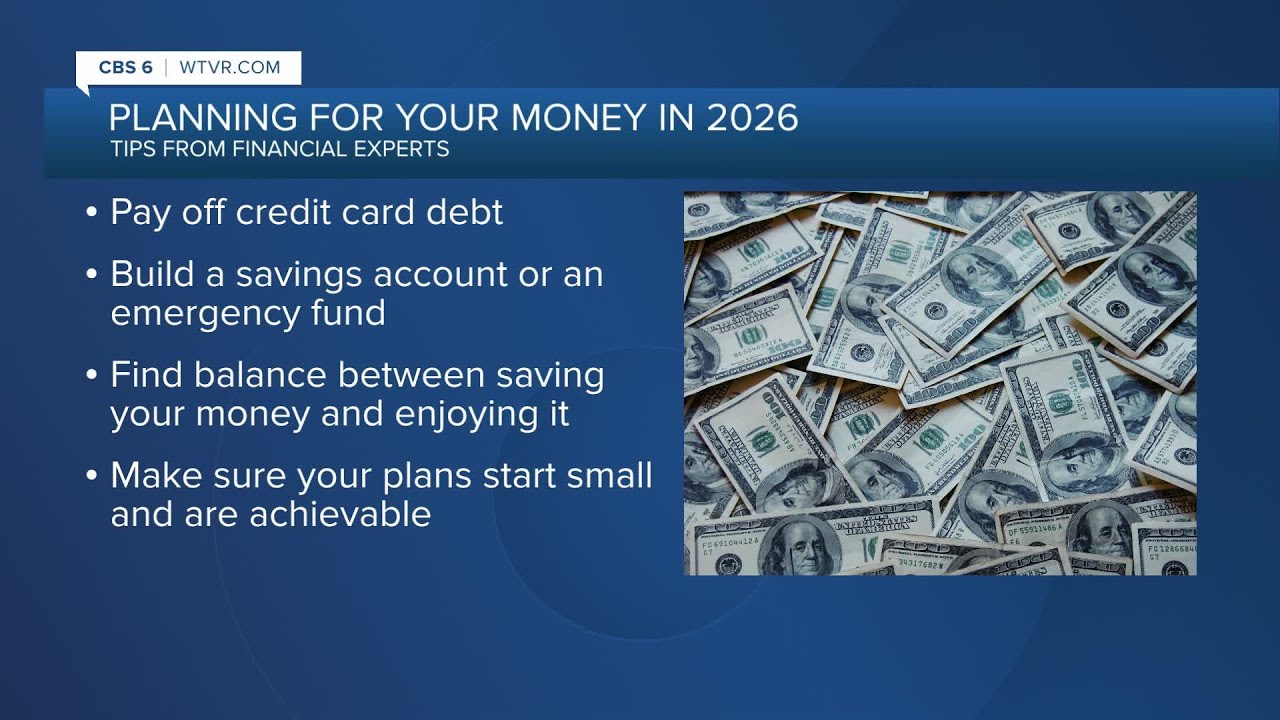
Ways for Preparing Your Budget in 2026

Ways to Preparing Your Budget in 2026

Budgeting Vs Saving: Better Balance for 2026